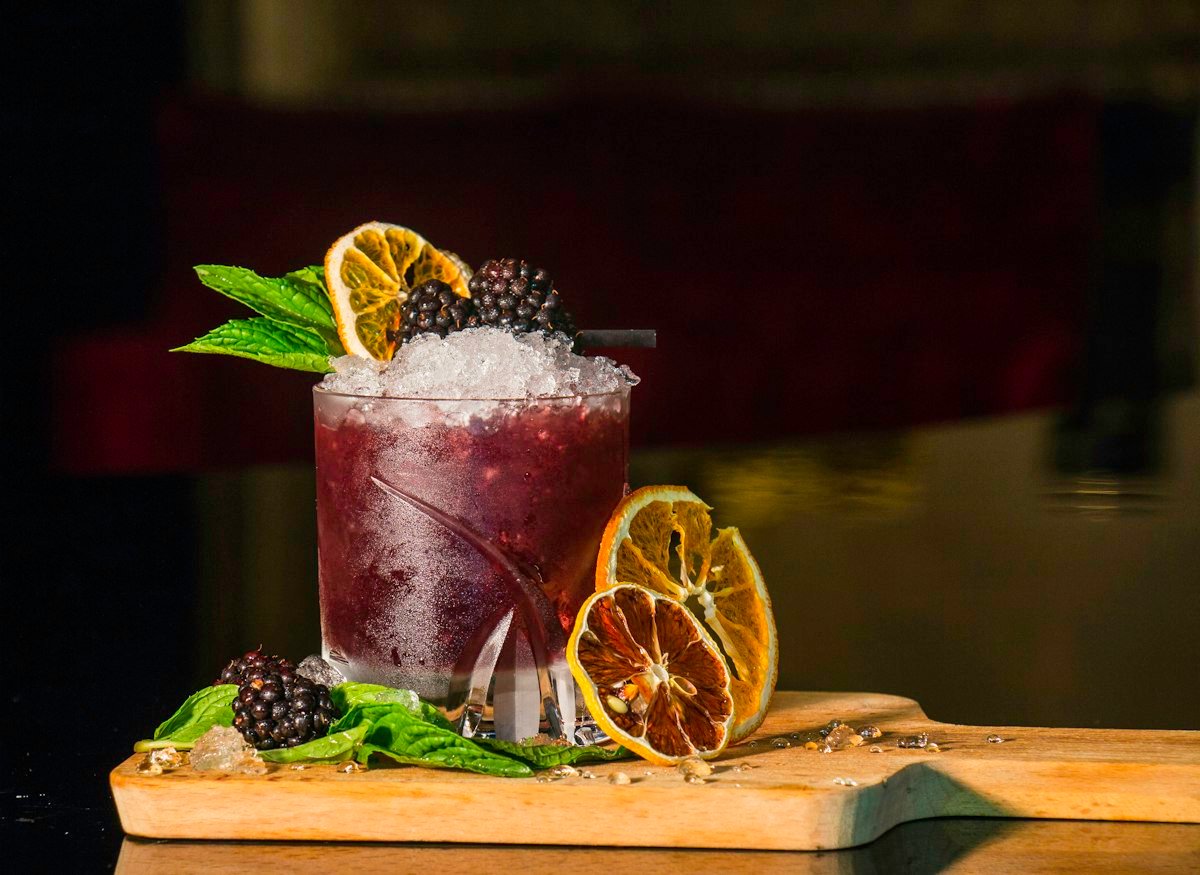
The Old Fashioned is deceptively simple — spirit, sugar, bitters, ice — which is exactly why it separates careful bartenders from careless ones. There's nowhere to hide a bad pour or a lazy stir. Here is the version we teach in the first week of the Professional Bartending Diploma, along with the small details that make the difference between "fine" and "unforgettable."
Why the Old Fashioned Matters
Every bartending curriculum in the world starts here for a reason. If you can build a balanced Old Fashioned consistently — glass after glass, shift after shift — you have already learned the core skills of ratio, dilution and temperature control that every other cocktail depends on.
"If a bartender can't make a proper Old Fashioned, I don't trust anything else on their menu." — a line I heard from my own mentor, and one I repeat to every new cohort.
The Recipe
Classic Old Fashioned
- 60ml bourbon or rye whiskey
- 1 sugar cube (or 8ml simple syrup)
- 2–3 dashes Angostura bitters
- 1 large ice cube
- Orange peel, to garnish
Muddle the sugar cube with the bitters and a splash of water in a rocks glass. Add the whiskey, then the large ice cube. Stir for 20–30 seconds until the outside of the glass turns cold. Express an orange peel over the top and drop it in.
1. Ice Size Controls Everything
A single large cube dilutes slower and more evenly than a handful of small cubes. The drink stays cold without watering down before the guest finishes it.
2. Stir, Don't Shake
Shaking adds air and over-dilutes a spirit-forward drink. A slow, controlled stir chills the whiskey while keeping its texture silky.
3. The Orange Peel Isn't Just Garnish
Expressing the peel releases citrus oils onto the surface of the drink, which changes the aroma the moment the guest lifts the glass. Skipping it is the most common mistake we see from new students.
Common Mistakes We Correct in Class
- Over-muddling the sugar cube, which crushes bitter pith into the drink.
- Adding too much water before stirring.
- Stirring too briefly, leaving the whiskey warm and harsh.
- Skipping the peel expression entirely.